
Esoft System
Case
The overarching objective of the project was to optimize the User Experience (UX). The goal was solved by redesigning the current platform which included: a new User Interface (UI), new functions and lastly, reshaping the users’ previous interaction patterns.
Services
- User Research
- User Flows
- Wireframes
- UX conversion design
Year
2018
Background
Esoft System and their online platform has been the starting point for my master thesis which ended my Master degree in information
technology (IT, communication and organisation).
Challenge
Due to administrative restrictions it has not be possible to go into depth with the case’ specifics, instead the approach and methods will be presented.
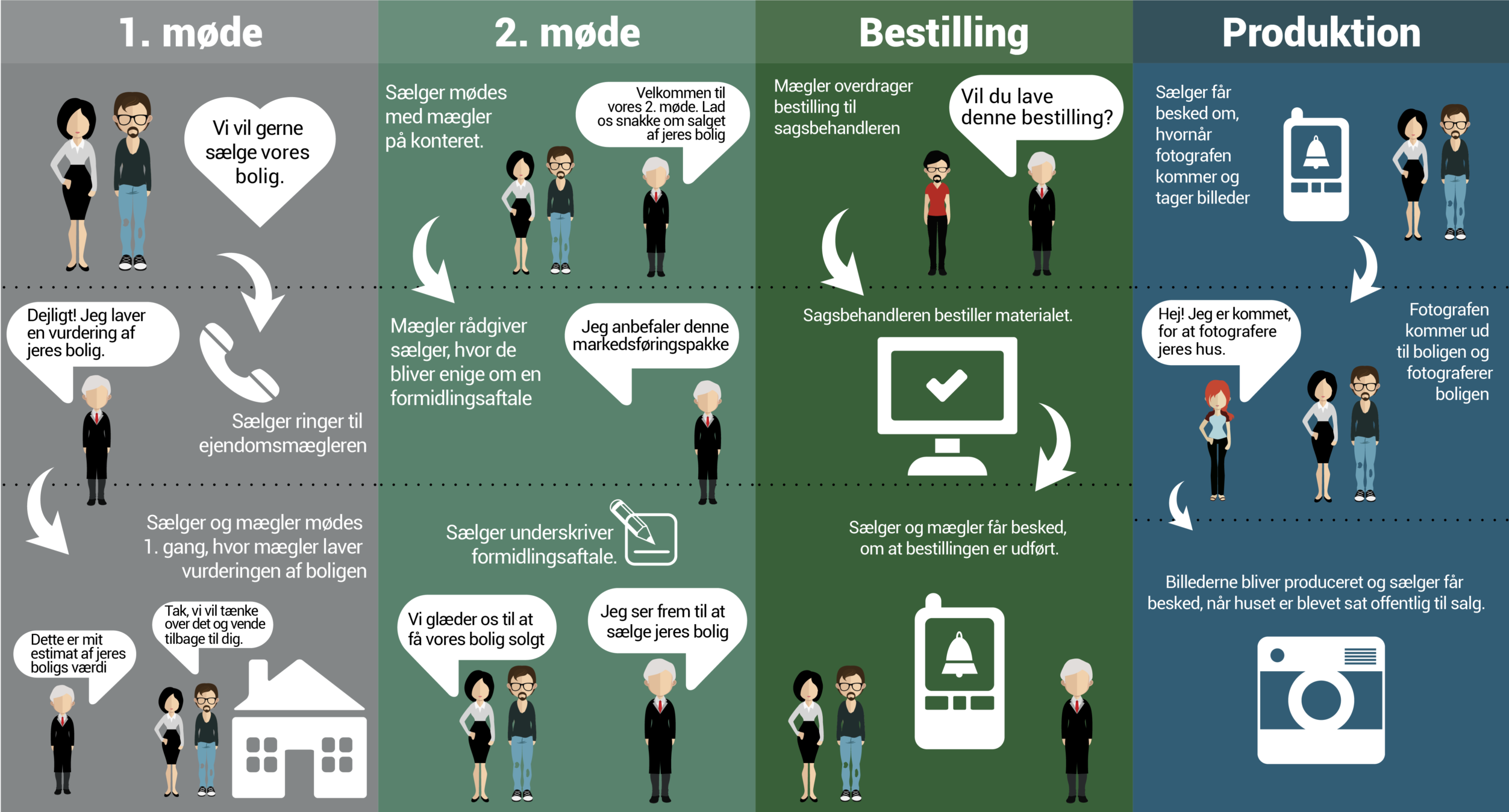
Esoft’s product is complex since there are several stakeholder groups who are influenced by the product. Therefore were numerous aspects studied in order to design an optimal product which would accommodate all the stakeholders’ needs.
Problem solving
Data processing
I created a comprehensive research design which objective was to study all aspects which could influence the end product’s success. The research design consisted of several methods which were:
- Interviews
- Expert evaluation
- Field study
- Contextual Interview
- (Usertest and Interview)
The comprehensive research generated a large amount of data. Therefore different analytical methods were conducted, which produced knowledge there was accumulated into an Affinity Diagram.
The newly created knowledge was utilized as the building blocks for the re-design. The design was developed based on a concept
which accommodated all of the stakeholders needs. Afterworth the concept was transformed into a tangible prototype which later was tested.
Analysis
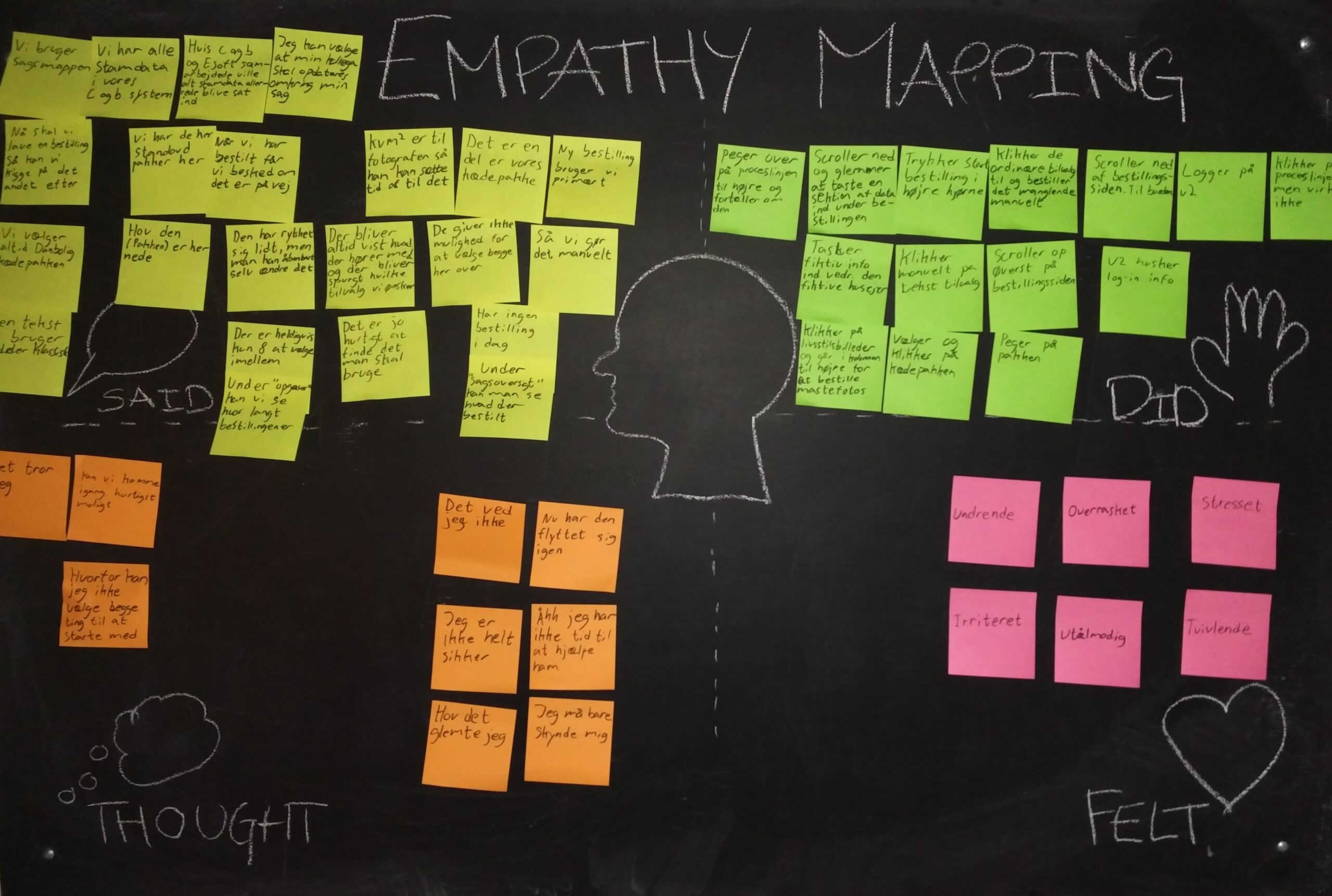
To process and analyze large quantities of data can be difficult, especially when the data have been collected by different methods. I utilize Affinity Diagram and Empathy Map which make the data more understandable for laymen as well as professionals.
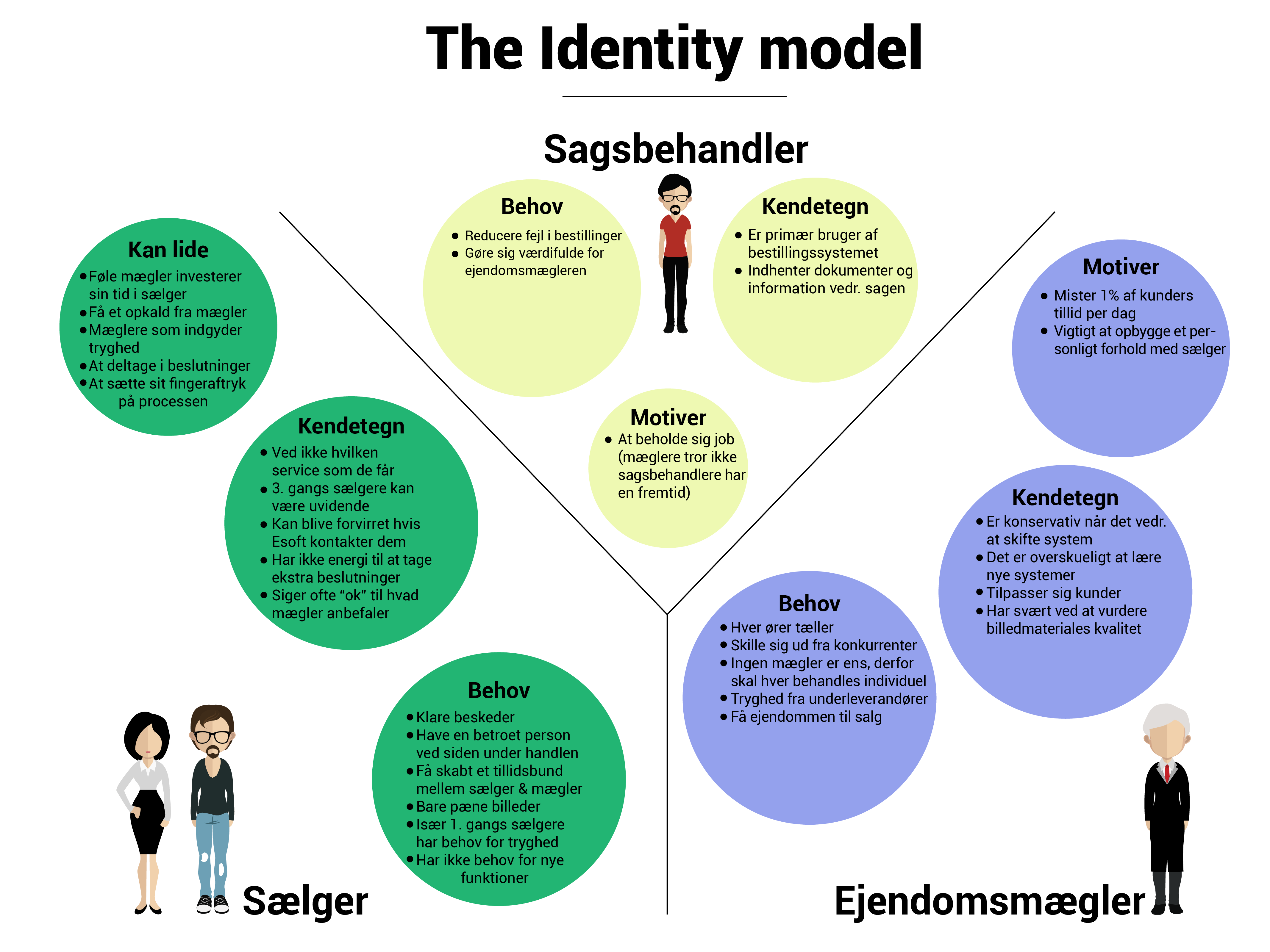
As part of the complete data process, I used several methods in order to provide insights into the users’ world. Each of the methods creates different insights of the users. Most often I apply the Identity Model, Relationship Model, Collaboration Model, and Sequence Model since they collectively generate a complete picture of the users.
Design
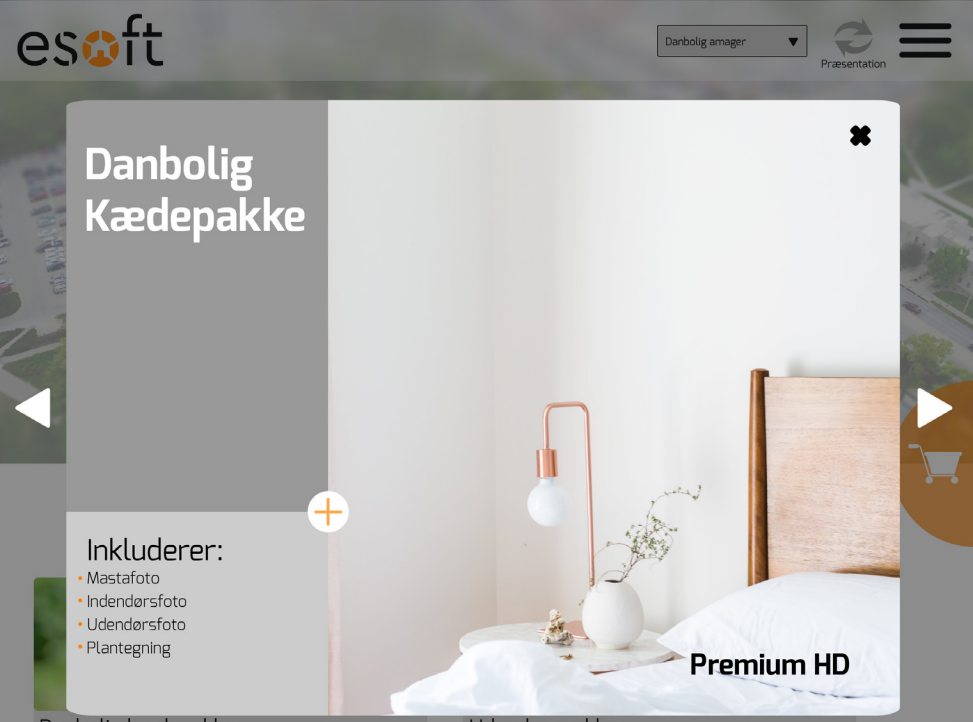
Product presentation
The function is elective for the users, therefore is it being presented as a “popup” window which allows the users to easily engage or surpass the function. Visually, there has been applied several design principles where composition has been the most influential. The sizing of the objects has created a natural hierarchy which conveys the significance of each element to user.
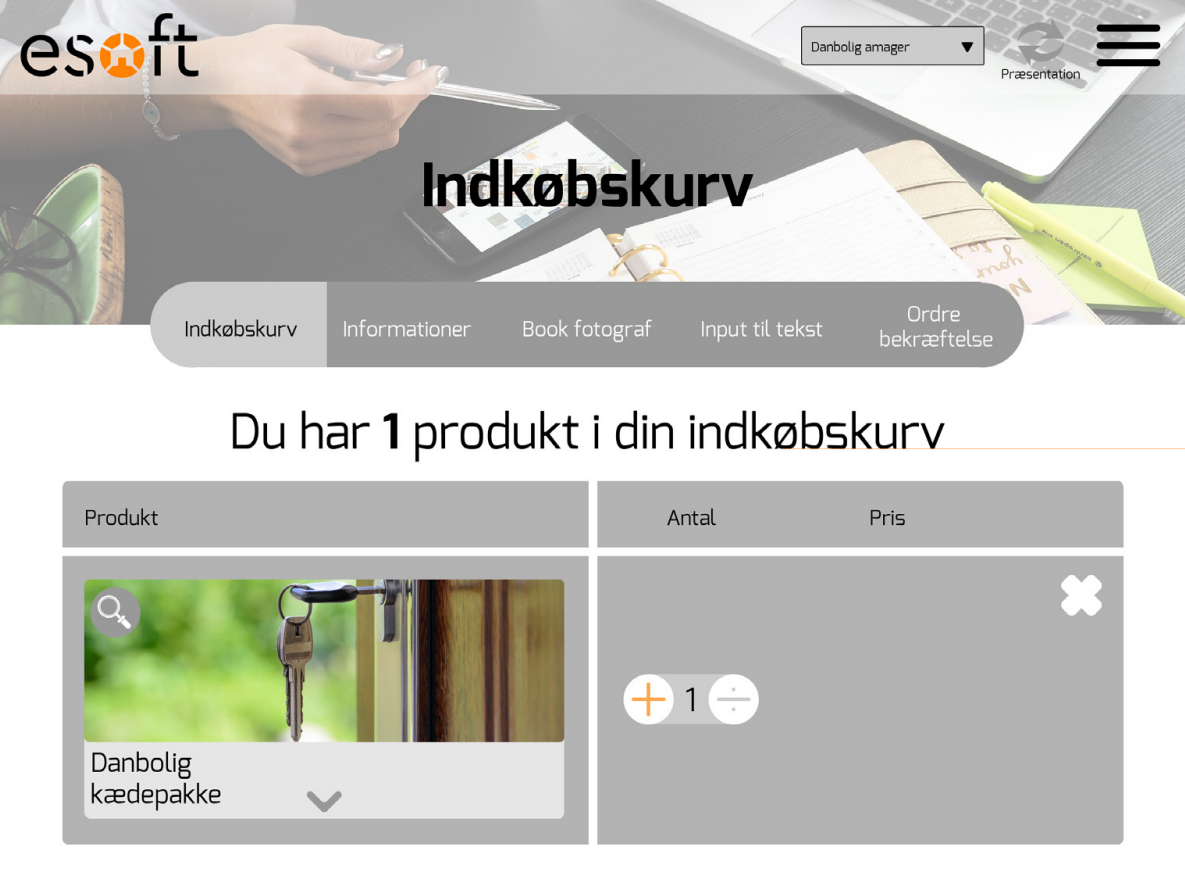
Shopping cart
When the users have located the desired product and decided to carry out the purchase, they will be transferred to the shopping cart. As most other webshops the buying process requires a lot of information which the customer needs to provide to the webshop in order to complete the purchase. This process includes a large distribution of information from both parts, therefore has the main emphasis been on clarifying the process and making it more transparent for the customer. To increase transparency of the complete process of purchase, the individual stages have been visualized, which thus clarifies in which stage the customer is in at the current moment.