Central Denmark Region
Case
As the Lead UX Designer within the central web team at Central Denmark Region (Region Midtjylland), I played a key role in developing and maintaining citizen-facing platforms for a population of 1.3 million people. Working within the Corporate Communication department, my focus was on ensuring accessibility and a cohesive user experience across a vast digital landscape.
Services
- Strategic product designer
- Design system
- Educator/presenter
- User Research
- Wireframes/prototypes
Year
2022 – current
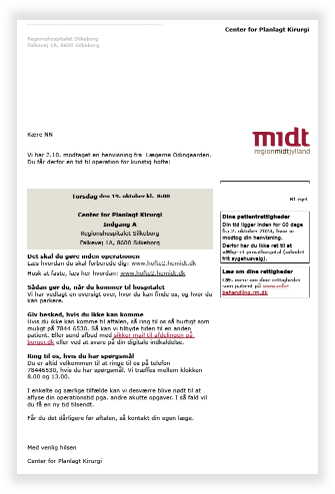
Redesigning 2 million Patient Appointment Letters
Patient appointment letters are one of the most critical communication platforms within the Danish healthcare system. In the Central Denmark Region alone, approximately 2 million letters are dispatched annually. These documents are vital for ensuring patients are correctly prepared for their treatment.
The stakes are remarkably high: if a patient arrives unprepared for a procedure, it costs the public healthcare system an average of 100,000 DKK per incident. Consequently, even a fractional improvement in clarity and compliance can lead to significant savings in a pressured public budget.
Constraints
The project was conducted during a major digital transformation phase, which introduced several complex constraints:
-
Technical
-
Certain features could not be fully realized due to legacy system interdependencies.
-
-
Legal
-
Strict legislation dictated specific phrasing and the mandatory placement of legal information.
-
-
Resource management
-
The project required high-impact results despite limited development resources.
-
The redesign: Incremental innovation & inclusion
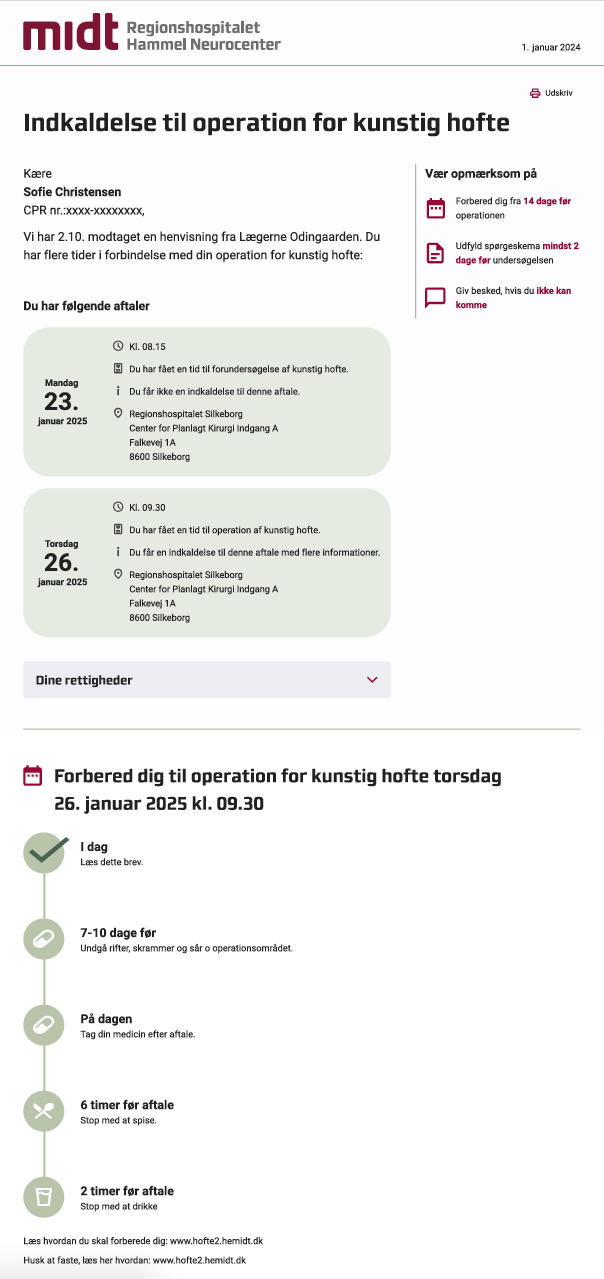
The redesign was driven by initial user research, internal stakeholder needs, and legal requirements. My primary goal was to create a “universal” design that performed equally well for an 18-year-old digital native and a 94-year-old citizen.
I opted for a strategy of incremental innovation. To maintain a sense of familiarity and trust, I preserved the traditional letterhead and footer. Simultaneously, I integrated modern UI elements from the region’s website—elements that citizens have become accustomed to over the past three years. This created a cohesive cross-channel experience, bridging the gap between old-school correspondence and modern digital service.
Validation and quality assurance
Once the designs were approved by internal stakeholders, I initiated a evaluation phase before handing the project over to an external agency for production. Based on our research, reading hierarchy was the most essential success metric for both patients and healthcare professionals.
To validate the design, I employed:
-
User Testing: To observe comprehension and navigation.
-
5-Second Tests: To ensure that the most critical information (time, date, and location) was absorbed instantly.
The evaluation was overwhelmingly positive, with results aligning perfectly with our internal KPIs.
Implementation and advocacy
Throughout the development phase, I acted as the Guardian of the Design, maintaining a close dialogue with the external agency to ensure the code quality remained faithful to the validated designs.
In my role, I served as the “Voice of the Citizen.” I translated user research into actionable insights, helping my colleagues and stakeholders understand the real-world challenges patients face. By presenting concrete design decisions backed by data, I ensured that the new guidelines were not just followed, but understood and valued across the organization.
Before
After
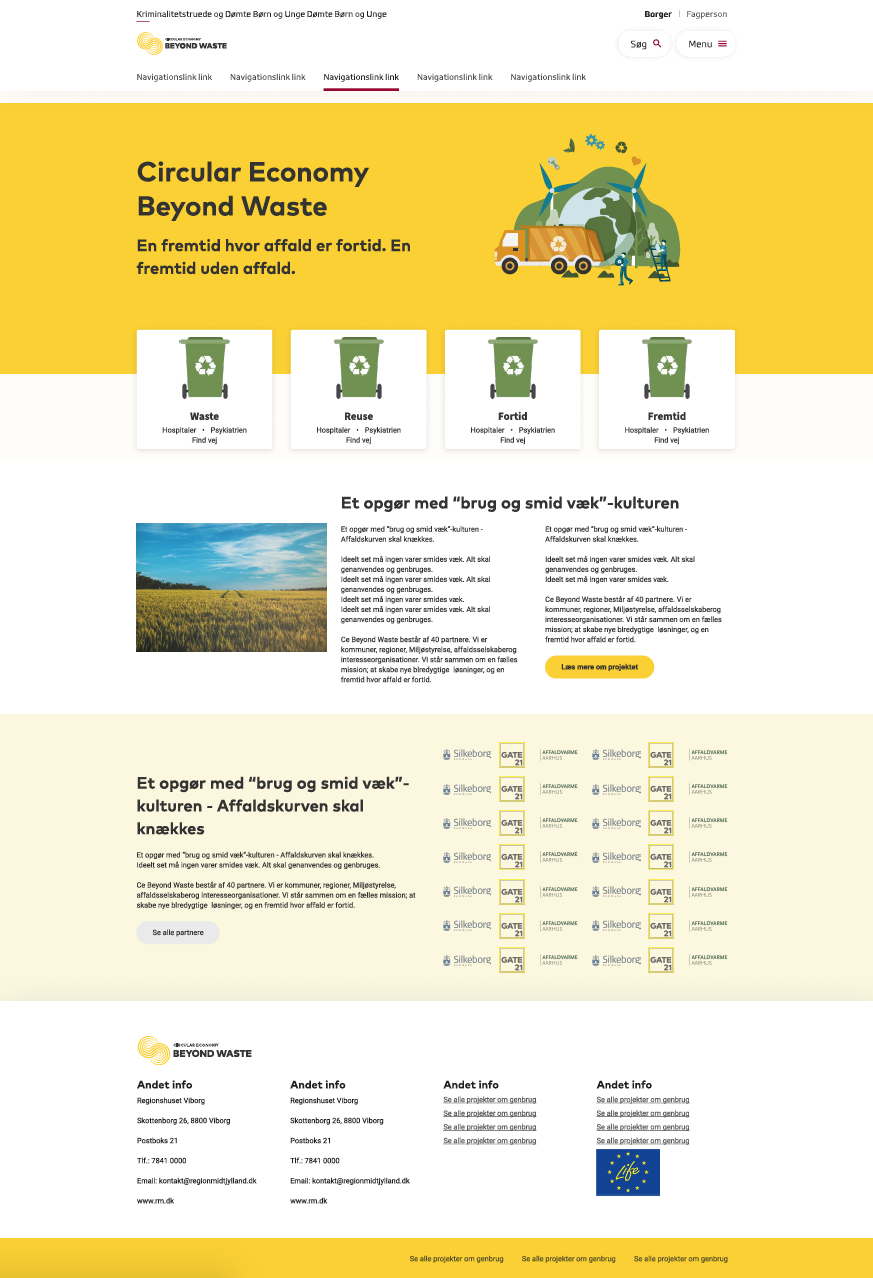
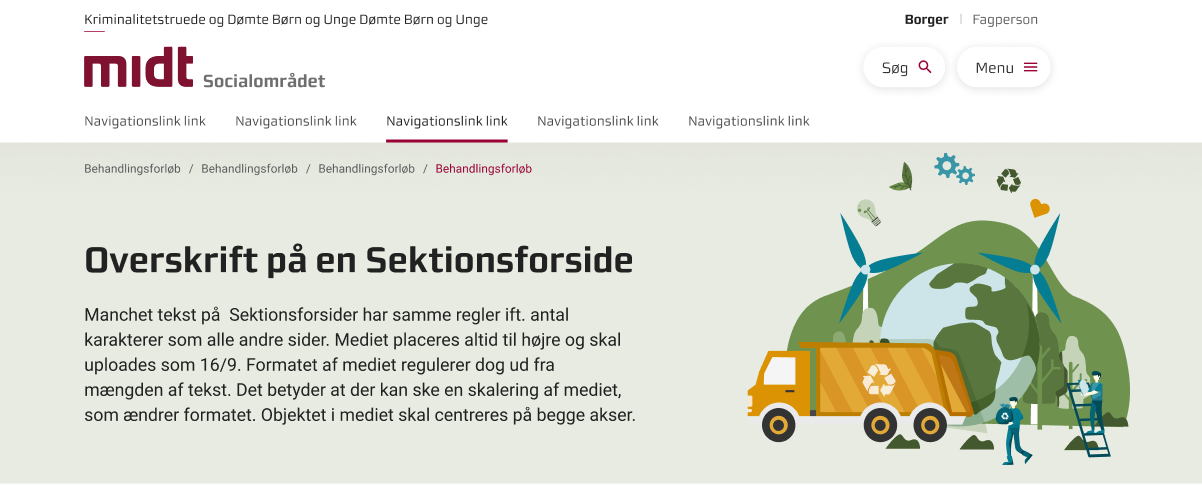
Combining Design Systems with CMS theming engine
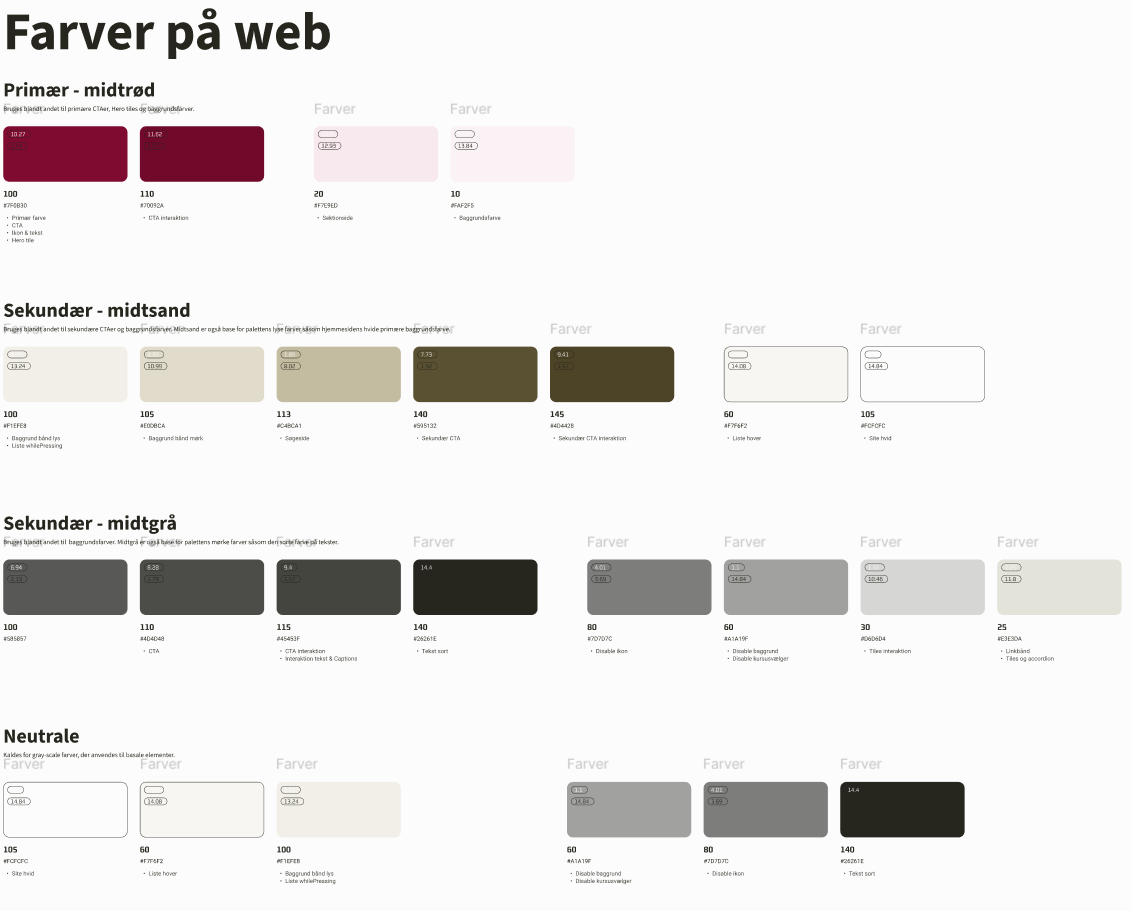
Building a scalable Design system in Figma
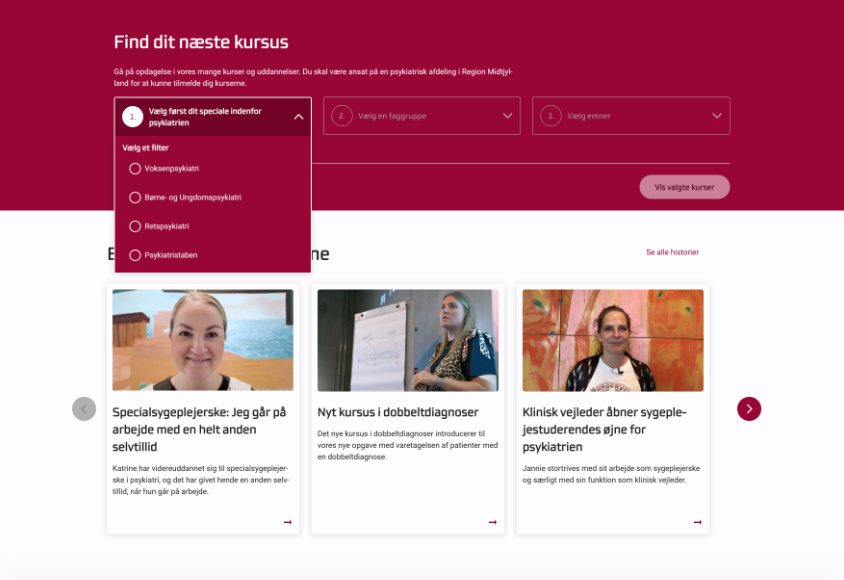
I developed and maintained the regional Design System, ensuring visual consistency and communication quality across all digital platforms. By establishing a shared component library in Figma, I successfully:
-
Aligned organizational values: Creating a unified brand voice for 1.3 million citizens.
-
Optimized resource allocation: Significantly reduced the hours billed by external agency and empowered our internal team to execute tasks faster and more independently.
"Theming engine"
The Central Denmark Region (RM) maintains governance over 70+ individual websites, each requiring strict quality assurance and compliance with legal standards, such as WCAG (Web Accessibility).
In collaboration with a lead developer, I co-developed a complex Theming Engine designed to meet the unique needs of 70+ sub-sites while maintaining centralized control.
Key challenges and solutions included:
-
Strategic simplification
-
The numbers of manual design choices for content editors were reduced. By limiting the “noise,” it was ensured that every combination remained accessible and on-brand by default.
-
-
Flexibility vs. control
-
It was a delicate balance to reduce options while still providing enough variables for editors to express each site’s unique brand identity.
-
-
Technical alignment
-
I focused on aligning Figma’s design tokens and variables directly with the front-end CSS
var()functions. This created a “single source of truth,” ensuring that a change in the design system would propagate correctly through the code, minimizing errors and technical debt.
-